What Size Bin Liner Do You Need for a Wheelie Bin? (Complete Guide)
Choosing the correct wheelie bin liner size is essential for keeping bins clean, preventing leaks, and making waste disposal easier. Whether you’re managing waste at home, in an office, or across a commercial facility, using the right bin liner for your wheelie bin ensures the bag fits securely and can handle the load.
Many people assume all bin liners are the same, but wheelie bins come in several standard sizes. Using a liner that is too small can cause tearing and spills, while oversized liners can waste material and increase costs.
In this guide, we’ll explain what size bin liner fits common wheelie bins, how to measure your bin correctly, and what type of liner works best for commercial or industrial environments.
Common Wheelie Bin Sizes in Australia
Wheelie bins used across Australia generally follow standard capacities. The most common sizes include:
| Wheelie Bin Size | Typical Use |
|---|---|
| 120L bin | Household waste |
| 240L bin | Standard council wheelie bins |
| 660L bin | Commercial waste collection |
| 1100L bin | Large commercial or industrial sites |
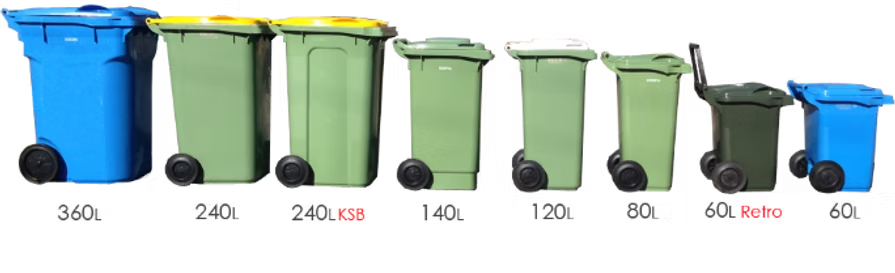
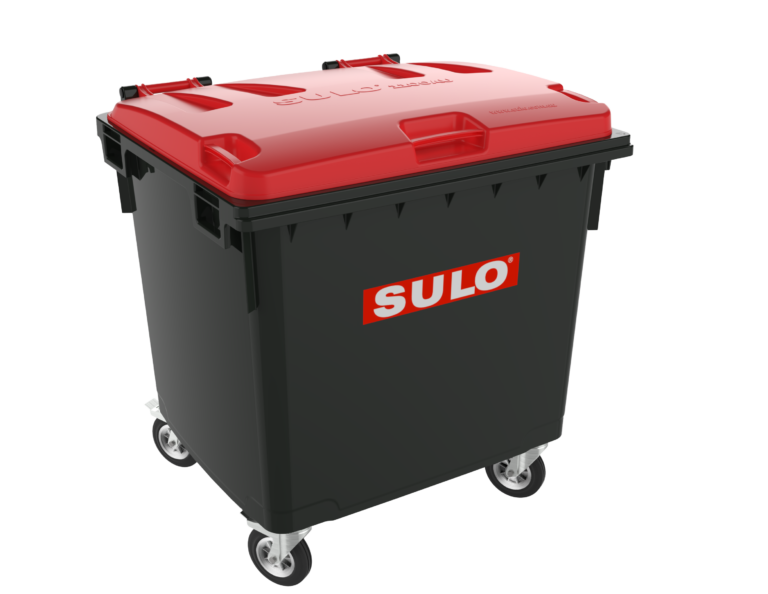
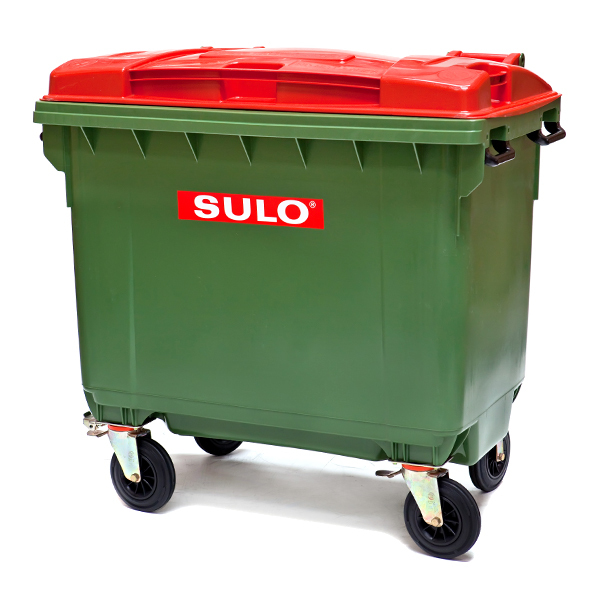
Each bin requires a bin liner large enough to cover the internal depth and wrap over the rim, allowing the liner to stay secure while the bin is in use.
Businesses often choose heavy duty wheelie bin liners to prevent tearing when handling larger volumes of waste.
If you’re using standard bins across your facility, you can view compatible options here:
https://askequipmentsales.com/product-category/two-wheeled-bins/
What Size Bin Liner for a 240L Wheelie Bin?
The 240L wheelie bin is the most common bin used by households, businesses, and councils across Australia.
To properly fit a 240L bin, liners typically need to be approximately:
570mm × 1500mm
This allows the liner to:
- Reach the bottom of the bin
- Fold securely over the rim
- Hold the full waste capacity without stretching
For commercial use, heavy duty liners with thicker plastic (around 50 microns) are recommended. Thicker liners provide better protection against punctures from sharp waste such as packaging, food containers, or construction debris.
For example, our 240L heavy duty clear bin liners are designed specifically for standard wheelie bins used across commercial sites and workplaces.
You can view them here:
https://askequipmentsales.com
What Size Bin Liner for a 120L Wheelie Bin?
A 120L wheelie bin is commonly used for household waste or smaller businesses.
Typical liner sizes for a 120L bin are approximately:
450mm × 1000mm
These liners are suitable for:
- Residential waste collection
- Small offices
- Cafés and small retail stores
- Light commercial use
However, businesses generating larger volumes of waste often upgrade to 240L bins with larger liners to reduce emptying frequency.
Why Heavy Duty Bin Liners Are Important 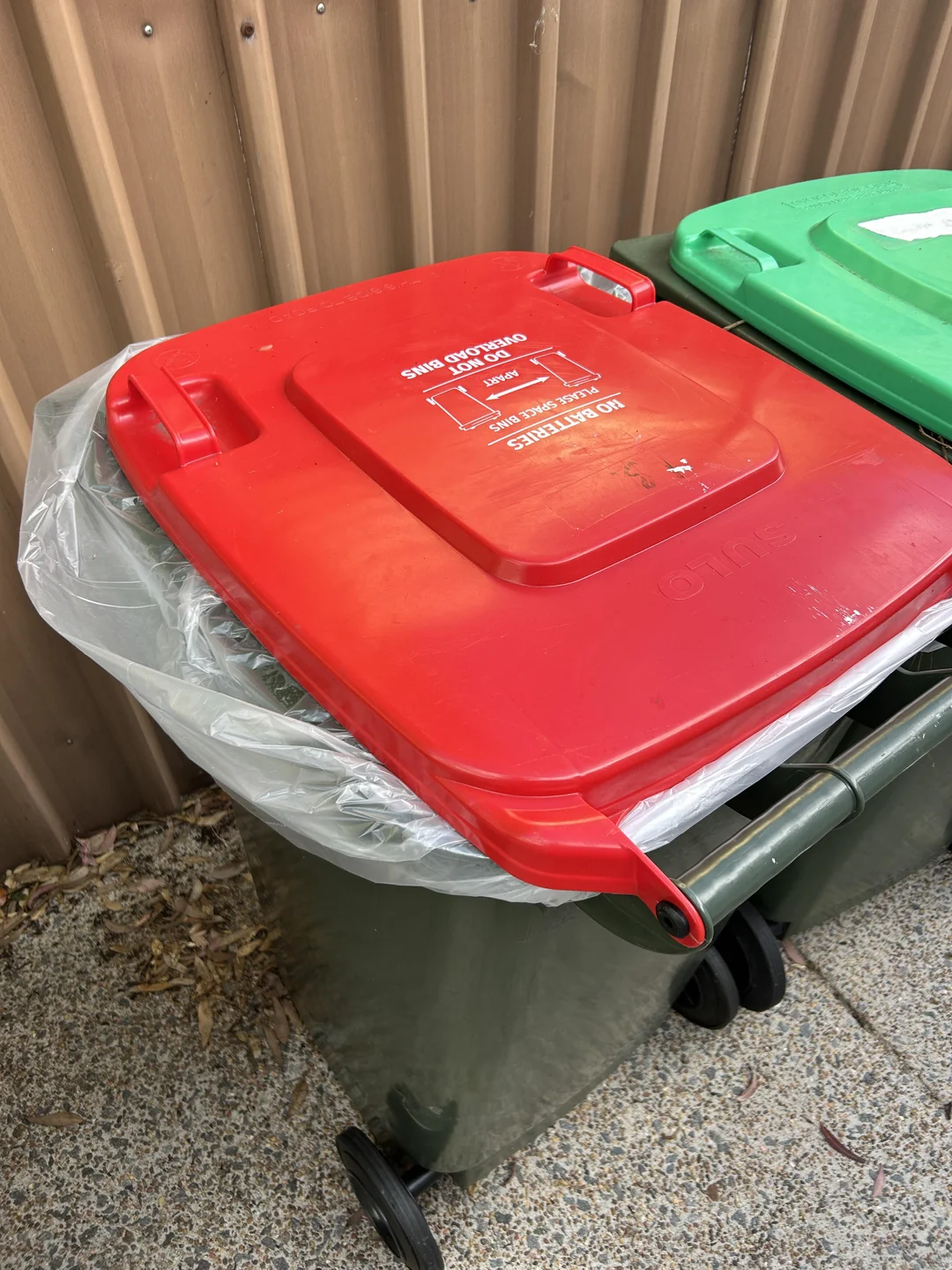
Not all bin liners are designed for the same workload. Thin liners may be suitable for light
household waste, but commercial environments require heavy duty garbage bags that
can withstand heavier loads.
Benefits of using heavy duty wheelie bin liners include:
Reduced tearing and punctures
Thicker plastic helps prevent sharp waste from puncturing the bag.
Leak protection
High-quality liners help contain liquids, preventing unpleasant spills inside the bin.
Improved hygiene
Liners help keep the inside of bins clean and reduce odours, which is especially important in food service environments.
Easier waste handling
Removing a full liner is quicker and more hygienic than cleaning the bin itself.
This is particularly useful in workplaces using multiple bins across large facilities such as warehouses or construction sites.
How to Measure Your Wheelie Bin for the Correct Liner
If you are unsure which liner size to choose, measuring your bin is simple.
You will need to measure:
1. Bin height – from the bottom to the rim
2. Bin width – across the top opening
3. Bin depth – from front to back
A good rule of thumb is that the bin liner height should be at least 1.5 times the bin height, allowing enough material to fold over the rim.
This ensures the liner stays secure and does not fall into the bin during use.
Where Wheelie Bin Liners Are Commonly Used
Wheelie bin liners are used across a wide range of industries, including:
- Offices and commercial buildings
- Restaurants and hospitality venues
- Schools and universities
- Hospitals and healthcare facilities
- Warehouses and logistics centres
- Construction and building sites
- Shopping centres and retail stores
- Outdoor events and festivals
For larger operations handling multiple bins, equipment such as bin lifters can also improve efficiency and reduce manual handling risks.
You can explore waste handling equipment here:
https://askequipmentsales.com/product-category/bin-lifters/
Tips for Choosing the Right Bin Liner
When selecting a wheelie bin liner, consider the following:
Choose the correct capacity
Match the liner size to the bin capacity (120L, 240L, etc).
Check the thickness
Commercial environments typically require liners around 50 microns or more.
Consider the waste type
Food waste, liquids, or packaging materials require stronger liners.
Buy liners supplied on rolls
Rolls make storage easier and improve efficiency when replacing bags.
Final Thoughts
Choosing the correct wheelie bin liner size helps prevent waste leaks, improves hygiene, and makes waste disposal faster and more efficient. For most businesses and facilities, 240L heavy duty bin liners are the most practical option because they fit standard wheelie bins and provide the strength required for commercial waste.
If your business relies on wheelie bins for daily waste management, investing in high-quality heavy duty liners can significantly reduce cleaning time and improve overall waste handling.
Explore the full range of waste handling equipment and bins at:
FAQ Schema Section – “People Also Ask”
FAQ: Wheelie Bin Liners
What size bin liner fits a 240L wheelie bin?
A standard 240L wheelie bin liner is typically around 570mm × 1500mm. This allows the liner to reach the bottom of the bin and fold securely over the rim.
Are 50 micron bin liners heavy duty?
Yes. Bin liners around 50 microns thick are considered heavy duty and are suitable for commercial waste, food scraps, packaging waste, and general rubbish.
Can wheelie bin liners hold liquid waste?
High quality heavy duty liners are designed to be leak resistant, making them suitable for wet waste such as food scraps and liquids.
How many bin liners are usually on a roll?
Commercial wheelie bin liner rolls commonly contain 100 liners per roll, making them convenient for workplaces and cleaning staff.